



The Clinical Year in Review series at the ATS 2026 International Conference concluded with an expert-curated summary of recent advances across the clinical care continuum in COPD, interventional pulmonary medicine, medical education, and lung cancer.
COPD

Obianuju Ozoh, MBBS, ATSF, MSc, professor of medicine at the University of Lagos, Nigeria, and a member of the GOLD Science Committee, highlighted the diagnostic dilemma in COPD, wherein a reliance on spirometry-detected airflow obstruction alone can miss patients who may have respiratory symptom burden and abnormal radiologic findings with normal spirometry data.
In this context, a new multidimensional COPD diagnostic schema, developed by the COPDGene 2025 Diagnosis Working Group and CanCOLD Investigators, reclassified 15.4 percent of patients without airflow obstruction as having COPD.
On the implication of the MATINEE trial, Dr. Ozoh said, “For patients on triple therapy who continue to have severe exacerbations, mepolizumab is an option, and it is important to remember they don’t need to have chronic bronchitis.”
“Our toolkit is growing,” she added.
Dr. Ozoh also discussed a new scoring system for quantifying disease control in COPD, which addressed a key unmet need in COPD monitoring — the need to standardize assessments. Moving towards a paradigm focused on disease control as the therapeutic target can help monitor patients and rectify clinical inertia, Dr. Ozoh noted.
“COPD is a multimorbid disease” with impacts within and beyond the respiratory system, Dr. Ozoh said.
Notably, cardiovascular disease is the leading cause of death in patients with COPD. “In people with GOLD Stage 1 and 2, cardiovascular causes of death are actually more common than respiratory causes of death.”
Dr. Ozoh discussed a study conducted in Spain that attempted to improve upon conventional models of cardiovascular risk prediction in COPD. The study, which combined clinical cardiovascular risk scores with CT-derived coronary artery calcium scores, better identified a population with COPD at an increased risk of a major cardiovascular adverse event.
Dr. Ozoh’s final selection focused on an AI-aided COPD diagnosis study leveraging “universally available, inexpensive, and non-invasive” echocardiogram data.
“[This tool] does not replace spirometry. It helps us identify patients whom we can then send off to spirometry and perhaps follow them up over time,” Dr. Ozoh noted, adding that such tools can help limit unnecessary spirometry in resource-limited settings.
Interventional Pulmonary
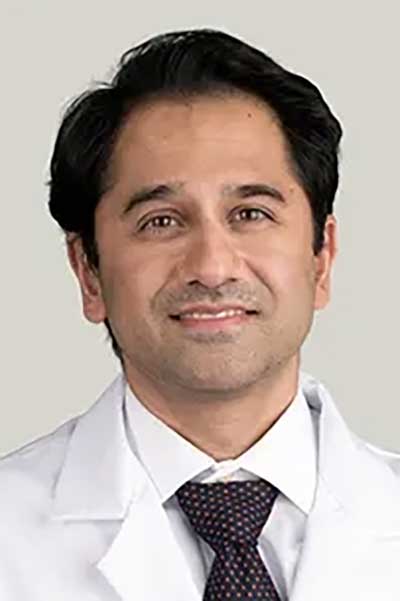
The past year was “a very exciting and busy year for interventional pulmonary medicine,” said Ajay Wagh, MD, MS, FCCP, associate professor of medicine at the University of Chicago, introducing key developments in advanced diagnostic bronchoscopy, pleural disease management, bronchoscopic lung volume reduction, and central airway obstruction (CAO) management.
“Historically, CT-guided transthoracic needle biopsy (CT-TTNB) has outperformed navigational bronchoscopy when it comes to diagnostic yield, but at the cost of a higher risk of pneumothorax,” Dr. Wagh said.
Based on the non-inferiority of digital tomosynthesis-enabled navigational bronchoscopy (DT-ENB) to CT-TTNB in the VERITAS study, in terms of diagnostic accuracy in patients with peripheral pulmonary nodules measuring 10–30 mm, DT-ENB “should be considered the procedure of choice for indeterminate lung nodules that are technically amenable to both approaches,” Dr. Wagh concluded.
The RELIANT study, Dr. Wagh said, shows that “in patients undergoing bronchoscopy for peripheral pulmonary lesion, the diagnostic yield of shape-sensing robotic-assisted bronchoscopy is not inferior to that of DT-ENB.”
He reviewed the EVACUATE study, which showed that “for patients undergoing thoracentesis for simple free-flowing pleural effusions, post-procedure ultrasound appears to be a viable alternative to chest x-ray to assess fluid evacuation.”
Dr. Wagh also discussed the implications of the first-in-human BREATHE trials, which showed the first clinical evidence of the utility of a novel self-expanding nitinol airway scaffold in reducing lung hyperinflation. The ongoing phase 3 randomized BREATHE 3 study will provide additional evidence to evaluate the efficacy of the airway scaffold.
The presentation also reviewed the 2025 American College of Chest Physicians (ACCP) Guidelines for CAO management and the World Association for Bronchology and Interventional Pulmonology guidelines for management of benign and malignant CAO.
Medical Education

Clinical Year in Review Co-Chair Arun Kannappan, MD, reviewed the role of AI in medical education, competency-based medical education (CBME) programs, trainee preparation for clinical decision making in critical care, and mitigating ICU burnout.
Dr. Kannappan, an associate professor of medicine – pulmonary sciences and critical care at the University of Colorado Anschutz Medical Campus, discussed seminal research around the use of AI in the clinical environment, including the widely discussed Diagnosis, Evidence, Feedback, Teaching, AI engagement (DEFT-AI) framework that facilitates integration of critical thinking into AI-enhanced medical education and clinical practice.
Given the unfettered access to and pervasive use of AI in contemporary medical practice and society, “We need to figure out how to become a triadic team to advance medicine,” Dr. Kannappan said.
Dr. Kannappan illustrated the competency gap among residents, showing that only about half to three-quarters of residents were considered ready for unsupervised practice by Clinical Competency Committees across multiple pediatric residencies in the United States.
He exhorted the audience to read the New England Journal of Medicine report on CBME. “I think it is required reading for anybody who is developing curricula or in charge of programs,” he added.
CBME programs shift the focus to competency as the primary goal, allowing for variable training times, with time allocated based on individual learners’ needs.
Dr. Kannappan reviewed two articles focused on education in the ICU setting, with lessons for clinician-educators to take back to their practices.
The key finding from the first study, a cognitive task analysis assessing residents’ clinical decision making in the ICU, was that residents rely significantly on heuristic reasoning.
The study illustrates that “cognitive task analysis is a very helpful way of figuring out why clinicians, particularly your residents, make decisions. And it can be used to figure out why there is a discrepancy between the behaviors, attitudes, and knowledge [compared with] the evidence base of what we know in sepsis resuscitation,” Dr. Kannappan explained.
Trainee burnout is a significant concern in medical education, especially in the high-stakes, fast-paced ICU environment. In a prospective study, the ICU burnout rate among residents was 89 percent. The study also identified potential interventions for mitigating burnout.
Lung Cancer
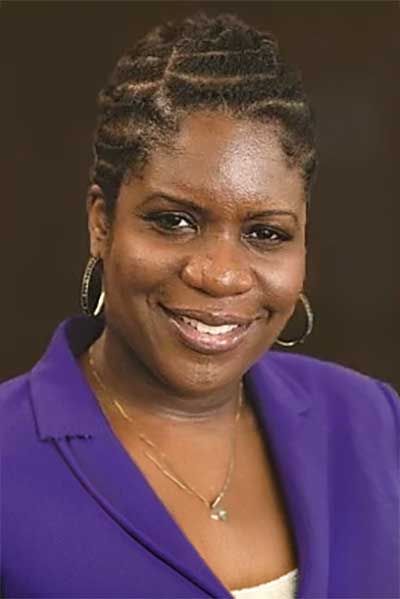
Janelle Baptiste, MD, MPH, instructor in medicine at the Beth Israel Deaconess Medical Center and the Harvard Pulmonary and Critical Care Fellowship Program, emphasized why lung cancer remains a critical public health concern: “To date, lung cancer remains the most morbid cancer in terms of deaths worldwide, accounting for at least 19 percent of the cancer deaths that we see worldwide.”
Dr. Baptiste focused on failures of lung cancer screening implementation, emerging pathways for safer diagnosis, a selective de-escalation trial in the context of staging, treatment advances in non-small cell lung cancer (NSCLC) and small cell lung cancer (SCLC), and the increasing importance of survivorship research.
The uptake of national lung screening in the United States was an “abysmal” 18.7 percent, according to a modeling study that used data from the 2024 National Health Interview Survey. Notably, if all eligible candidates received guideline-recommended screening, three times more lung cancer deaths would have been prevented.
Dr. Baptiste said, “It is no longer the science that’s the problem; it is actually implementing screenings.”
Dr. Baptiste discussed the VERITAS study, placing this interventional pulmonary trial in the context of lung nodule characterization and diagnosis, saying, “The study represents not just a procedural comparison; I would say it is a shift in our first-line diagnostics thinking.”
Speaking of key therapeutic advances that have translated into survival gains, Dr. Baptiste discussed the overall survival data from the Checkmate 816 trial of neoadjuvant nivolumab and chemotherapy in resectable NSCLC and the DeLLphi-304 trial of the novel bispecific T-cell engager tarlatamab in relapsed/refractory SCLC.
As survival outcomes improve in lung cancer, especially in NSCLC, the risk for both disease recurrence and secondary cancers persists among survivors.
Dr. Baptiste discussed the implications of a retrospective analysis of the incidence of secondary cancers and recurrence of the index NSCLC among patients with NSCLC who received curative-intent therapy.
“Nearly one in four survivors of NSCLC in [this single-center study] developed a second cancer; 15 percent had new second primary lung cancers,” Dr. Baptiste summarized the findings, “and about 8 percent had non-lung secondary cancers.”
Notably, these second cancers were detected based on symptoms, rather than by screening.
Dr. Baptiste said that the role of pulmonologists and other non-thoracic oncology specialists in lung cancer survivorship care will expand in the future.
Extend Your ATS 2026 Experience with ATS NOW

ATS NOW offers conference highlights, peer-reviewed sessions, and access to leading experts in pulmonary, critical care, and sleep medicine. ATS 2026 attendees receive complimentary access to the platform through the rest of the calendar year!