



The first session of the ATS 2026 International Conference Clinical Year in Review series, held on Sunday, May 17, in Orlando, contextualized evolving evidence, practice implications, and unmet needs in asthma, pulmonary vascular disease, vaccines, and sleep medicine.
Asthma

Marc Gauthier, MD, assistant professor of medicine at the University of Pittsburgh, distilled asthma research over the past year into two clinically relevant themes: impact of biologics on asthma pathophysiology, exacerbations, and comorbidities, and SMART and inhaled corticosteroid therapy and inflammatory profiles in the context of asthma remission.
Dr. Gauthier framed the WAYPOINT trial, which evaluated tezepelumab in adults with severe chronic rhinosinusitis with nasal polyps. “As asthma biologics are gaining indications outside of the asthma space, [in associated comorbidities], it gives us the opportunity to have a single agent to treat multiple diseases,” he explained.
In WAYPOINT, tezepelumab improved nasal polyp and nasal congestion scores as early as four weeks, with improvements sustained over the 52-week study period, compared to placebo. Importantly, tezepelumab also reduced the courses of systemic corticosteroids and the need for polyp surgery.
Dr. Gauthier then discussed the VESTIGE study, which showed a significant and sustained reduction in the proportion of participants with elevated fractional exhaled nitric oxide treated with dupilumab.
The study asked whether “outside of exacerbations, can we reduce the type 2 inflammatory signature in the airway, and with that reduce mucus burden and mucus plugging in these patients,” using functional respiratory imaging-based analysis.
Dupilumab yielded qualitative improvements in airway volume, along with a quantitative reduction in mucus scores.
Dr. Gauthier also reviewed key findings from the SWIFT-1 and -2 trials, which demonstrated efficacy of the novel ultra–long–acting IL–5–directed biologic depemokimab, highlighting the potential for improved patient convenience with the six-month dosing interval for depemokimab.
The remarkable responses to biologic therapy in patients with asthma have brought excitement around clinical asthma remission, Dr. Gauthier noted. He reviewed a recent meta-analysis, which showed that between 30 and 38 percent of patients with asthma achieved remission with biologic therapies.
Pulmonary Vascular Disease

Mona Alotaibi, MD, associate professor of medicine at the University of California, San Diego, discussed relevant literature over the past year across the spectrum, from pulmonary arterial hypertension (PAH) to acute and chronic pulmonary embolism (PE) to chronic thromboembolic pulmonary hypertension (CTEPH).
Dr. Alotaibi reviewed the implications of the HYPERION and CADENCE PAH trials.
“PAH has historically been treated using a stepwise approach, wherein new therapies are added as the disease worsens. HYPERION challenges this paradigm by demonstrating that sotatercept vascular remodeling could benefit patients early in the disease,” Dr. Alotaibi said.
CADENCE provides the first proof of concept for sotatercept efficacy in patients with combined post- and pre-capillary pulmonary hypertension associated with heart failure with preserved ejection fraction, for which there are currently no proven therapies, Dr. Alotaibi noted, adding that Phase 3 studies are needed.
Dr. Alotaibi subsequently reviewed findings from the STORM-PE and HI-PEITHO studies, which evaluated the value of adding computer-assisted vacuum thrombectomy (CAVT) and ultrasound-facilitated catheter-directed fibrinolysis (USCDT) to anticoagulation, respectively, in patients with acute PE.
The HI-PEITHO study findings cannot be extrapolated to all patients with intermediate-risk PE, Dr. Alotaibi noted, highlighting some key remaining questions.
“Up to half of PE survivors have persistent dyspnea and exercise limitation at three months. Yet, traditional screening focuses only on classic CTEPH or changes on echocardiograms,” Dr. Alotaibi said, discussing the SEARCH algorithm, a stepwise framework for identifying chronic thromboembolism phenotypes after acute PE.
Vaccines
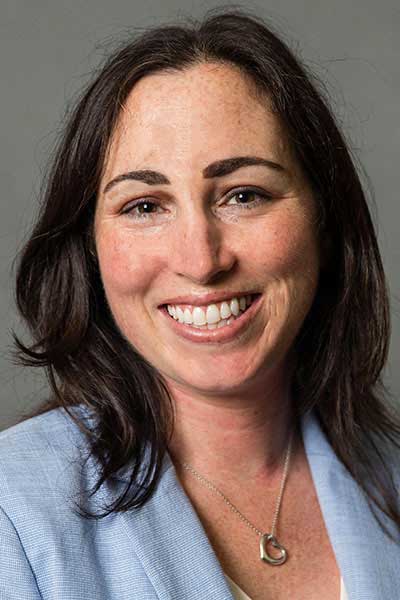
Jamie Rachel Felzer, MD, MPH, associate professor of medicine at Emory University, shared updates on evidence and recommendations for the COVID, RSV, and influenza vaccines. She also highlighted the potential re-emergence of vaccine-eradicated diseases, such as measles and polio, based on modeling analyses.
Dr. Felzer prefaced the vaccine studies by explaining, “The key idea of vaccination is to prevent hospitalization, death, or other illnesses or complications.”
She reviewed a meta-analysis of the safety and efficacy of COVID, RSV, and influenza vaccines, the DAN-RSV real-world trial of the bivalent RSV prefusion F protein–based vaccine, and findings from a real-world study of RSV vaccine efficacy over two seasons in the United States.
Overall, the data supported the effectiveness of vaccines in reducing both condition-specific and all-cause hospitalizations, with lower efficacy observed among older and immunocompromised adults, indicating the need for prioritizing these patients when considering vaccination approaches.
Dr. Felzer transitioned to the FLUNITY-HD study, noting that the data support the use of a high-dose inactivated influenza vaccine over the standard-dose vaccine, given its superiority in preventing the most severe respiratory outcomes, reducing flu and pneumonia hospitalizations. Notably, the high-dose vaccine also improved cardiovascular outcomes.
“The malaria vaccine coupled with seasonal chemoprophylaxis and bed nets in sub-Saharan Africa significantly reduces malaria cases and other serious sequelae.” Dr. Felzer shared this key take-home message from the interim analysis of the real-world effectiveness of the first World Health Organization-recommended malaria vaccine in the EPI-MAL-003 study.
In her analysis of the study simulating the re-emergence of vaccine-eradicated infectious diseases, based on current rates and potential future declines in childhood vaccination rates in the U.S., Dr. Felzer stated, “Even under current levels of an average of 83 percent of Americans vaccinated with the MMR vaccine, the modeling indicates that measles would return to endemic levels in 20 years.”
She highlighted the importance of addressing declining vaccination rates in the U.S., as further declines raise concerns that infectious diseases like measles, rubella, diphtheria, and polio could reach endemic levels again.
Sleep Medicine

Vaishnavi N. Kundel, MD, MSci, associate professor of medicine at the Icahn School of Medicine at Mount Sinai, summarized key advancements and controversial topics in sleep medicine.
Dr. Kundel examined evidence for emerging therapeutic approaches for obstructive sleep apnea (OSA) that target various mechanistic underpinnings and OSA endotypes — targeted therapies that aim to rectify impaired pharyngeal dilator muscle function, as well as treatments that address upper airway collapsibility and high loop gain.
The FLOW trial, which assessed the efficacy of the carbonic anhydrase inhibitor sultiame in improving outcomes for patients with untreated, moderate-to-severe OSA, provides proof of concept for reducing OSA severity via pharmacologic modulation of ventilatory control instability, Dr. Kundel noted.
Combining therapies that target different OSA mechanisms may enhance treatment efficacy, Dr. Kundel concluded, citing improved OSA outcomes with combined mandibular advancement device and supplemental oxygen therapy.
Dr. Kundel also discussed the role of non-invasive ventilation in obesity hypoventilation syndrome and the controversial discussion around the impact of OSA therapies on cardiovascular outcomes.
In a prospective cohort study in over 2,810 patients with acute coronary syndrome, higher nocturnal hypoxemia was unexpectedly associated with fewer cardiovascular events.
While previous studies have examined the average treatment effect of continuous positive airway pressure (CPAP) therapy on cardiovascular outcomes, a causal survival forest analysis of data from the SAVE trial indicated high individual-level heterogeneity in CPAP treatment effects on cardiovascular outcomes.
These findings suggest that phenotype-guided OSA therapy, consideration of underlying cardiovascular risk profiles, and hypoxemia burden are needed to individualize OSA treatment.
Extend Your ATS 2026 Experience with ATS NOW

ATS NOW offers conference highlights, peer-reviewed sessions, and access to leading experts in pulmonary, critical care, and sleep medicine. ATS 2026 attendees receive complimentary access to the platform through the rest of the calendar year!