



In August 2025, clinicians and researchers who treat patients with bronchiectasis reached a significant milestone with the FDA approval of brensocatib, the first treatment developed for non-cystic fibrosis bronchiectasis in adults and pediatric patients aged 12 and older. The ATS 2026 International Conference offers an exciting opportunity for attendees to discuss how the new drug has translated to real-world adoption.
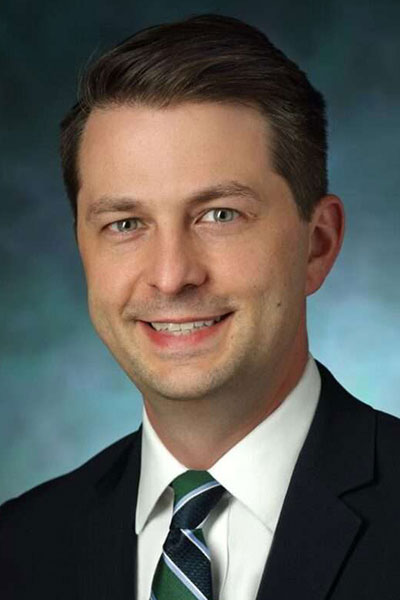
“This will be the first time that the bronchiectasis community will be getting together since we’ve been prescribing it, so it’s a great time to share patient experiences, provider experiences, and see what the general uptake has been in terms of how people are responding to it,” said Dan Belz, MD, MPH, assistant professor of medicine, director of bronchiectasis at the Center for Nontuberculous Mycobacteria and Bronchiectasis, and director of the Adult Primary Ciliary Dyskinesia Program at Johns Hopkins Medicine.
ATS 2026 Orlando will feature an array of scientific symposia, abstract presentations, postgraduate courses, and more to tackle the latest developments in bronchiectasis research and clinical practice as a collective community.
The program highlights in this area start early in Orlando as the postgraduate course, “Bronchiectasis and NTM Pulmonary Disease: Etiologies, Complex Case Management, and Updated Guidelines” will begin on Friday, May 15, from 8 a.m. – 4 p.m. ET (room location to be determined). Topics for the full-day course include current epidemiology, environmental risk factors, pathophysiology, and diagnostic considerations.
“This is a full day of going through case management, guidelines, and other critical considerations with a really great set of speakers,” Dr. Belz said. “I definitely recommend that course for anyone who’s in Orlando on Friday.”
The scientific symposium, “Primary Ciliary Dyskinesia in a Genomic Therapeutic Era,” on Sunday, May 17, from 9:15 – 10:45 a.m. ET in room SYMP4 of the Orange County Convention Center, will cover exciting new developments in the diagnosis and treatment of primary ciliary dyskinesia (PCD), a multimorbid inherited lung condition that’s significantly underdiagnosed. Dr. Belz noted the significance of last year’s joint ATS and European Respiratory Society (ERS) guidelines for the diagnosis of PCD.
“PCD is one of the most common inherited disorders that causes bronchiectasis, after cystic fibrosis,” he explained. “So, it’s exciting to have a set of diagnostic guidelines shared between two major respiratory societies for these patients, most of whom have had chronic respiratory issues their whole lives.”
Wednesday, May 20, is another packed day of educational sessions on bronchiectasis. From 11 a.m. – 1 p.m. ET in room MS03 (CP), Dr. Belz will co-chair the abstract session, “New Therapeutics, Interventions, and Monitoring in Chronic Respiratory Disease.”
“We’ll be going through some of the pooled results of the AIRLEAF and CLAIRLEAF phase II clinical studies of a new DPP1 inhibitor, as well as some preliminary results about brensocatib and other real-world outcomes from treatments for bronchiectasis,” Dr. Belz said.
The abstract session, “Infection, Immunity, Interventions: Viruses, Bacteria, and Bronchiectasis Outcomes,” will run concurrently, from 11 a.m. – 1 p.m. ET in room MS01 (All). This session will also delve into several illuminating studies on DPP1 inhibitors, treatment of Pseudomonas, PCD, and other relevant topics for those caring for patients living with bronchiectasis.
The scientific symposia, “Eat. Kill. Survive. The Macrophage-NTM Standoff,” will also be hosted on Wednesday, from 11 a.m. – 12:30 p.m. ET in room SYMP2 (PITB). This session will elucidate emerging insights into macrophage-nontuberculous mycobacteria (NTM) interactions in the lung and spur discussion for potential host-directed therapies to augment or replace current antimicrobial strategies.
“NTM are some of the most important infections in bronchiectasis, and the interplay between the immune system and NTM bacteria is such an important thing to understand because they’re environmental organisms we’re pretty much all exposed to, and there are some risk factors that mean certain people do get serious infections from them, but they don’t cause infections in everyone,” explained Dr. Belz.
For the full listings of bronchiectasis-related educational sessions, scientific symposia, Meet the Expert sessions, and abstract presentations at ATS 2026 Orlando, visit ATSConference365.
Extend Your ATS 2026 Experience with ATS NOW
ATS NOW offers conference highlights, peer-reviewed sessions, and access to leading experts in pulmonary, critical care, and sleep medicine. ATS 2026 attendees receive complimentary access to the platform through the rest of the calendar year!