



You might want to set a reminder alarm and arrive early to guarantee a seat at one of the most popular sessions at the ATS 2026 International Conference, “Breaking News: Clinical Trial Results in Pulmonary Medicine,” which takes place from 2:15–4:15 p.m. ET on Sunday, May 17, in the Chapin Theater (Level III, OCCC West Concourse).
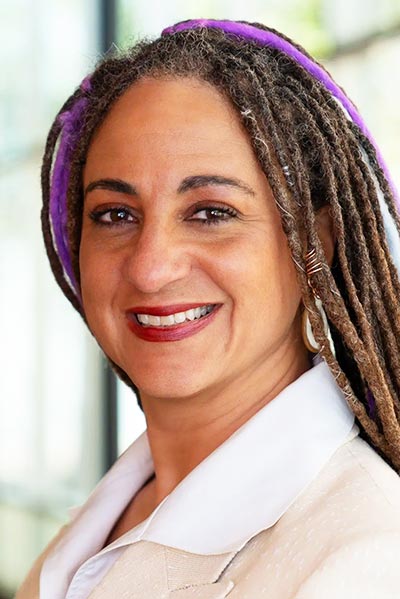
International Conference Committee Chair Jennifer L. Taylor, MD, MSCS, ATSF, noted that while amazing scientific insights and information are shared throughout the conference, the unique goal of this session is “highlighting studies that are going to impact patients in the immediate future, in the next few months to the coming year.”
A rigorous selection process that extended into April of this year has ensured that the papers presented in this session represent some of the most important, cutting-edge international studies. Often, these papers are released in high-impact journals on the same day or the week following the session.
“The people who are attending this session are the first to know about these studies and can go home at the end of the conference and talk with their patients and colleagues about them,” explained Dr. Taylor, who also serves as chair of the Clinical Trials Subcommittee and selected this session’s final lineup.
Dr. Taylor, who holds several positions at National Jewish Health — including professor in the departments of medicine and pediatrics, immediate president of medical staff, and medical director of clinical research services — said the committee chooses studies that reflect the international nature of contemporary research and are subjected to critical examinations of both the study design and results.
“Sometimes it is really important to know that something doesn’t work,” Dr. Taylor said. “It doesn’t have to be a trial that shows, ‘This thing changed life expectancy by 25 years.’ It could be one that shows, ‘We thought this would work based on the mechanism, but in fact, when you do administer it to patients, it is not effective; therefore, you should not prescribe it to a patient in that circumstance because the cost and potential side effects are not justified.’ In other words, the committee accepts trials that show definitive efficacy or lack thereof — both outcomes are equally valid reasons to be presented in this session.”
The lineup for this year’s session features:
• Vallerie V. McLaughlin, MD, University of Michigan, “Ralinepag for the Treatment of PAH”
• Charles L. Daley, MD, ATSF, National Jewish Health, “A Phase 3 Trial in Front-line Mycobacterium Avium Complex Lung Disease”
• Steven D. Nathan, MD, Inova Fairfax Hospital, “Inhaled Teprostinil for the Treatment of Idiopathic Pulmonary Fibrosis”
• Sanjay R. Patel, MD, MS, ATSF, University of Pittsburgh Medical Center, “Aroxybutynin and Atomoxetine (AD109) in Obstructive Sleep Apnea: A Pooled Analysis of the SynAIRgy and LunAIRo Trials”
• Patrick J. Strollo, MD, ATSF, University of Pittsburgh School of Medicine, “Aroxybutynin and Atomoxetine (AD109) in Obstructive Sleep Apnea: A Pooled Analysis of the SynAIRgy and LunAIRo Trials”
Michelle Sharp, MD, MHS, ATSF, associate professor of medicine at John Hopkins School of Medicine, and Paul D. Robinson, MD, PhD, MRCPCH, FRACP, ATSF, conjoint professor at the University of Queensland, Australia, join Dr. Taylor as chairs of the session.
Dr. Taylor noted that the diverse lineup and the prominence of studies included in this session ensure take-home relevance for all areas of pulmonary care.
“When you have a patient or research question in front of you, questions that aren’t in your specific area of expertise may arise; that happens all the time to me as a cystic fibrosis physician investigator. However, having some understanding about paradigm shifts in other areas of respiratory, critical care, and sleep medicine may have direct relevance for adjacent conditions your patient has or the research you are conducting,” Dr. Taylor said.
Extend Your ATS 2026 Experience with ATS NOW
ATS NOW offers conference highlights, peer-reviewed sessions, and access to leading experts in pulmonary, critical care, and sleep medicine. ATS 2026 attendees receive complimentary access to the platform through the rest of the calendar year!