



The Diversity Forum at the ATS 2026 International Conference centered on the role of resilience, diversity, and representation in medicine, particularly for physicians who serve and come from historically marginalized communities. Jennifer L. Taylor, MD, MSCS, ATSF, blended personal narrative, research evidence, and professional insight to highlight the challenges faced by minoritized groups in health care and the importance of sustained commitment to equity. Dr. Taylor is chair of the ATS International Conference Committee, medical director of Clinical Research Services, co-director, and CF TDC director of the Adult CF Program at National Jewish Health.
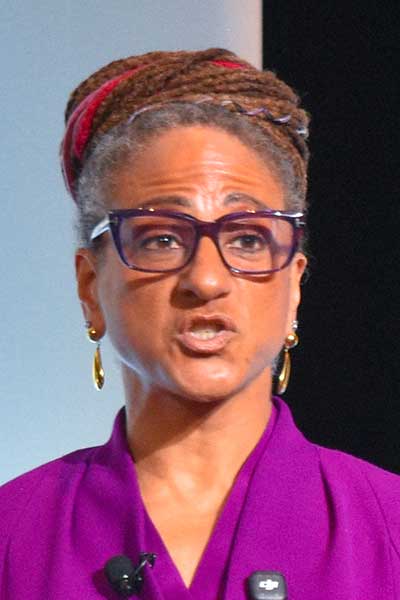
Resilience is defined as the ability to recover from or adjust easily to misfortune or to change, Dr. Taylor said, emphasizing that resilience is not abstract but is built through lived experiences, family history, and cultural identity. She encouraged physicians to understand not only where they come from but also “Who your great grandparents, your grandparents, and your parents were as people, because that impacts who you are.” By tracing her own lineage — from immigrants seeking opportunity to ancestors who endured systemic racism in the Jim Crow South — she demonstrated how resilience is shaped and evolves across generations.
Dr. Taylor addressed the early and persistent exposure to discrimination that many individuals who are part of minority groups experience. She recounted a childhood moment when she first became aware that others would judge her because of the color of her skin, reflecting that it would not be the last such encounter. “These experiences are not isolated incidents but part of a broader societal pattern,” she said. “Individuals from marginalized groups face ongoing stressors, often subtle microaggressions, that accumulate over time.” She analogized these experiences to repeated mosquito bites: diminutive individually, but overwhelming in aggregate.
In the context of practicing medicine, these challenges are compounded by what she called the “minority tax.” This refers to the additional, often unrecognized responsibilities placed on underrepresented physicians, such as diversity efforts, mentoring, and committee work, which often come with no compensation or formal acknowledgment. Despite this, these physicians are still expected to fulfill the same clinical, research, and teaching responsibilities as their peers. The result is a disproportionate burden that can contribute to burnout and isolation.
Dr. Taylor also highlighted the concept of intersectionality, noting that individuals with multiple marginalized identities, such as race, gender, or sexual orientation, face compounded barriers. This layered experience makes resilience even more essential but also more difficult to sustain. “These inequities existed long before recent sociopolitical challenges, which have further intensified pressure on diversity, equity, and inclusion efforts,” she remarked.
Another major focus of this year’s forum was the importance of representation in health care. Dr. Taylor asserted that seeing role models who share one’s identity can shape aspirations and outcomes. “Representation matters, particularly in influencing both patients and future physicians,” she said. Collected data support this statement: Research shows that patients may experience better outcomes and greater trust when treated by physicians who share similar backgrounds. Additionally, medical students who are minorities are more likely to practice in underserved communities, reinforcing the broader societal impact of workforce diversity, Dr. Taylor explained.
She acknowledged that resilience comes at a cost. Chronic stress, particularly stress related to discrimination, can lead to quantifiable health consequences. She referenced research showing that stress can accelerate biological aging and reduce life expectancy. Despite education and professional achievement, disparities persist; even highly educated individuals from minority groups can have shorter lifespans than their white counterparts. This underscores the urgency of addressing systemic inequities rather than relying solely on individual resilience.
To sustain oneself in this environment, Dr. Taylor offered practical guidance. She urged physicians to reject excessive conformity and embrace authenticity. “You have to be the person you want to be,” she said, rather than expending energy trying to fit into restrictive norms. She also stressed the importance of community — finding supportive peers, mentors, and organizations that share a commitment to equity. Mental health must also be a priority. To this end, Dr. Taylor recommended that caregivers seek therapy, build supportive relationships, and take necessary breaks to prevent burnout.
Dr. Taylor concluded her keynote with a powerful call to action. Drawing inspiration from Maya Angelou’s poem Still I Rise, she encouraged the audience to persist despite adversity. Her message was both personal and communal: “Please, please don’t give up,” she urged, emphasizing that the future of patients and the next generation of clinicians depend on continued perseverance.
By challenging physicians to recognize the realities of inequity within medicine, she emphasized the importance of actively contributing to a more inclusive and just system. Combining resilience with structural change, the medical community can better serve diverse patients and support the well-being of all its members.
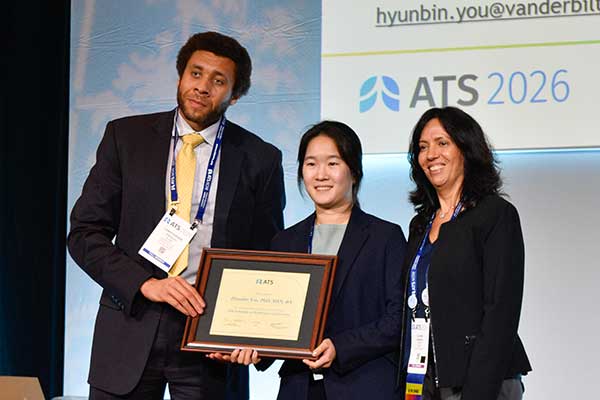
HyunBin You, PhD, MSN, RN, the 2026 recipient of the ATS Fellowship in Health Equity and Diversity, was also recognized. These fellowships support senior fellows, postdoctoral trainees, and junior faculty in advancing health equity through research, clinical care, education, and policy initiatives for patients with respiratory diseases, critical illness or injury, and sleep-disordered breathing.
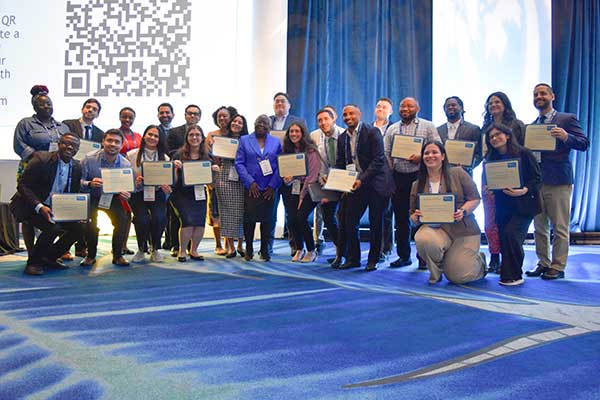
The Diversity Forum also honored the numerous recipients of Underrepresented Trainee Development Scholarships. These scholarships are designed to help increase diversity among underrepresented trainees in medicine by sponsoring attendance at the ATS International Conference. Recipients are selected based on the quality of the science presented in their submitted abstracts, along with other criteria.
The ATS thanks Genentech for their generous support of the Diversity Forum.
Extend Your ATS 2026 Experience with ATS NOW

ATS NOW offers conference highlights, peer-reviewed sessions, and access to leading experts in pulmonary, critical care, and sleep medicine. ATS 2026 attendees receive complimentary access to the platform through the rest of the calendar year!