



Physicians emphasized the crucial role of patient advocacy in shaping lung health research and policy at the ATS Public Advisory Roundtable (PAR) Patients & Experts Forum on Saturday morning. The session focused on drug repurposing and complementary therapies, bringing together clinicians, researchers, and patient advocates in a hybrid format to expand access and engagement.
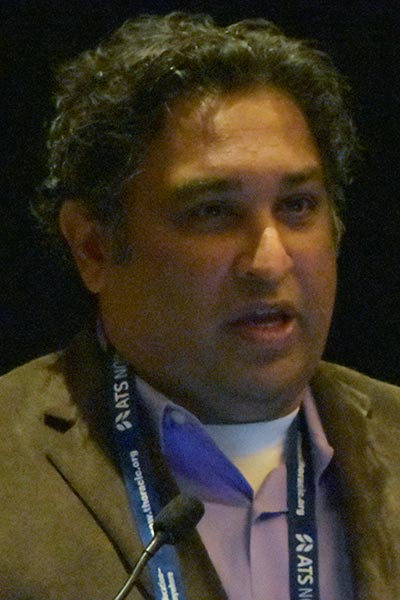
Gustavo Matute-Bello, MD, acting director of the National Heart, Lung, and Blood Institute, outlined an ambitious shift in how chronic lung diseases are approached, emphasizing a move from symptom management toward cures. He stressed that medical progress depends on setting bold objectives, stating, “If that’s not our goal, we will not achieve it.” He contrasted traditional care — managing symptoms — with the concept of a cure, defined as the restoration of health by eliminating disease.
Tracing historical progress across the field, Dr. Matute-Bello noted improvements in conditions such as cystic fibrosis, while acknowledging that many chronic lung diseases remain complex and multifactorial, involving multiple genes and biological pathways.
Emerging solutions, he said, include large-scale data integration, artificial intelligence (AI), and stem-cell-derived lung models that allow researchers to study disease in lab-grown cells carrying patient-specific genetics. These innovations aim to accelerate drug discovery and uncover targeted treatments.
Dr. Matute-Bello also discussed the growing role of data and AI in advancing respiratory medicine. “With vast datasets from patient samples and imaging, researchers are building systems to identify patterns and treatment targets. This is a truly remarkable moment in biomedical research,” Dr. Matute-Bello said. Overall, he called for coordinated, data-driven efforts to transform chronic lung disease care from incremental treatment to lasting cures.
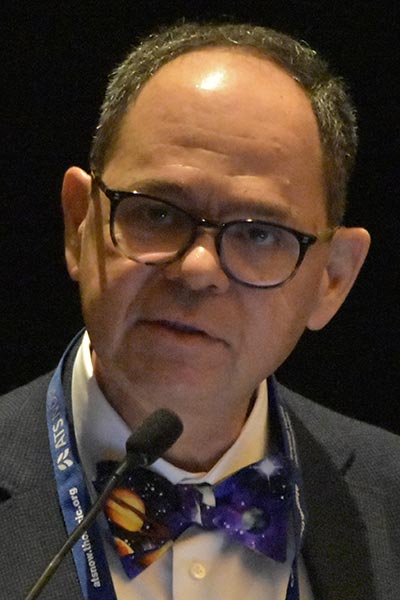
Amit Gaggar, MD, PhD, a professor of medicine, pulmonary, allergy, and critical care medicine at the University of Alabama at Birmingham, categorized complementary therapies into three domains: mind–body practices, traditional physical therapies, and natural products.
Among mind-body practices, yoga emerged as the most extensively studied, with meta-analyses in COPD and asthma showing improvements in functional outcomes, such as six-minute walk distance and lung function measures, he noted. While benefits were often assessed over short interventions (e.g., 12 weeks), findings suggested meaningful symptom relief. Mindfulness, meditation, and music therapy also demonstrated smaller but promising effects, particularly in reducing breathlessness and improving sleep.
Dr. Gaggar analyzed natural products, including herbal therapies and probiotics, urging caution due to variability in study quality and product standardization. With this caveat, he acknowledged that some trials have suggested that individuals’ symptom improvements with natural products were comparable to standard pharmacologic treatments in select populations.
“We have become more aware of the gut microbiome and evidence of its impact on GI and non-GI systems,” Dr. Gaggar explained. “There is a gut-by-lung axis, and a gut-by-brain axis. It’s definitely real, and there is very strong interest in probiotics as a therapeutic approach to GI health and, therefore, potentially other diseases.”
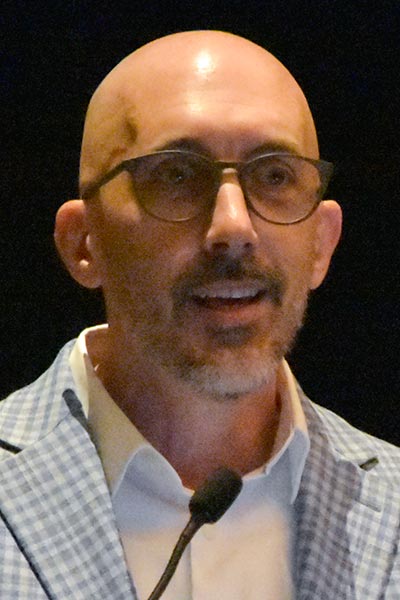
Repurposing drugs can leverage significant work already done in chemistry, manufacturing, and early safety — but this strategy is not an easy fix and still requires rigorous evidence, according to Matt Nestor, vice president of development strategy and partnerships at Partner Therapeutics.
He stated that while traditional drug development can take seven to 10 years, repurposing allows investigators to start from an established safety and biologic baseline, accelerating development timelines. “This approach is particularly important in areas of unmet need, where patients don’t have time to wait for lengthy development cycles,” Mr. Nestor said.
He also highlighted well-known examples of repurposed agents, such as sildenafil and thalidomide, demonstrating how unexpected clinical observations and improved biological understanding can lead to new therapeutic applications. According to Mr. Nestor, advances in real‑world data, electronic health records, and AI are further enabling the discovery of new indications.
Repurposing is also building momentum in the regulatory space, as indicated by the FDA’s support of the use of real‑world evidence to expand indications. “Repurposing is having a moment. However, success depends on collaboration across stakeholders. Partnership is essential, particularly in rare diseases requiring global coordination,” Mr. Nestor explained.
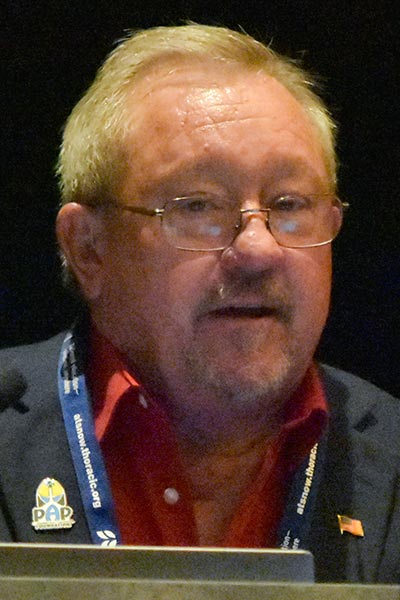
Each year, the Patients & Experts Forum prioritizes platforming patients’ voices alongside the medical experts. Steve Park, a retired field scientist living with extensive dust exposure, described how his progressive respiratory decline was initially misattributed to aging. This misdiagnosis culminated in severe hypoxia and abnormal imaging that prompted his referral to a specialist. Despite classic radiographic findings, his diagnosis of autoimmune pulmonary alveolar proteinosis required external confirmation, reflecting historical limitations before the advent of serologic testing.
Even with recent advancements, Mr. Park remarked that persistent delays still occur today. “It takes some patients three years before we get the correct diagnosis,” he said.
After diagnosis, Mr. Park’s disease management regimen included prolonged oxygen dependence. For 1,180 days, he continuously received oxygen. He also underwent 44 whole lung lavage procedures, which can lead to complications that include infections and procedural morbidity.
Early pharmacologic therapy with low-dose granulocyte-macrophage colony-stimulating factor (GM-CSF) was ineffective, while high-dose injections improved oxygenation but caused significant systemic toxicity (hypertension, renal complications). The transition to intermediate dosing with inhaled GM-CSF led to sustained remission for Mr. Park, illustrating the importance of delivery method and dose optimization.
He also emphasized experiential insights into therapeutic titration: “250 micrograms was too little; 1300 micrograms was too much; but 500 inhaled was just right,” Mr. Park said, framing what he called a “Goldilocks” paradigm relevant to his individualized care.
Opening the event, Session Chair Siri Vaeth, MSW, underscored the importance of inclusivity, noting this was the first year the event was streamed, making it accessible to everyone, including individuals from patient communities who were unable to travel. She highlighted PAR’s mission to ensure patient perspectives remain central within the ATS, contributing to research funding, advocacy, and collaboration. This year is the group’s 25th anniversary.
Ms. Vaeth further reinforced the value of lived experience in advancing science. “We know patients are also experts,” she said, encouraging stronger partnerships between patients and professionals to improve health outcomes and accelerate innovation.
The ATS thanks Genentech, Insmed Incorporated, and United Therapeutics for their generous support of the ATS 2026 Patients & Experts Forum.
Extend Your ATS 2026 Experience with ATS NOW

ATS NOW offers conference highlights, peer-reviewed sessions, and access to leading experts in pulmonary, critical care, and sleep medicine. ATS 2026 attendees receive complimentary access to the platform through the rest of the calendar year!