



The Pediatric Clinical Core Curriculum at the ATS 2026 International Conference is a three-part series designed to address the latest developments and clinical guidelines in a variety of topics in pediatric pulmonology. The theme of this year’s curriculum is a review of current and emerging trends in the diagnosis and management of pediatric patients with bronchiectasis. The first two sessions will be held from noon–1 p.m. ET, Sunday, May 17, and Monday, May 18. All three sessions will be held in the Orange County Convention Center, Room W203A (Level II, OCCC West Concourse).

This year’s theme and topics were determined based on survey data gathered from several ATS committees, with the Pediatric Core Curriculum Pillar collecting feedback from members about what is relevant to their practices. Bronchiectasis in the pediatric population has implications across different settings and involves a variety of diagnoses, making timely diagnosis and treatment imperative. As evidenced by recent diagnostic and treatment guidelines and the approval of brensocatib, the field has moved toward a comprehensive, personalized diagnostic workup and a multidisciplinary management approach. This year’s speakers are recognized experts in their fields and come from very prestigious institutions across the United States.
“This year, we want to inform attendees on what bronchiectasis is in the pediatric population and make sure that people can walk away with an understanding of how to diagnose it and form a basic treatment plan based on the most updated literature — a level setting of what this topic is,” said Moshe Prero, MD, associate professor at UH Rainbow Babies & Children’s Hospital in Cleveland and co-chair of this year’s pediatric curriculum. “From there, we chose different diseases and practice specialties that can encounter bronchiectasis as a consequence.”
The opening session on Sunday will begin with a presentation on a comprehensive approach to pediatric bronchiectasis, including a focus on the 2021 European Respiratory Society (ERS) guidelines, said Carmen Leon Astudillo, MD, clinical associate professor at the University of Florida and co-chair of the pediatric curriculum.
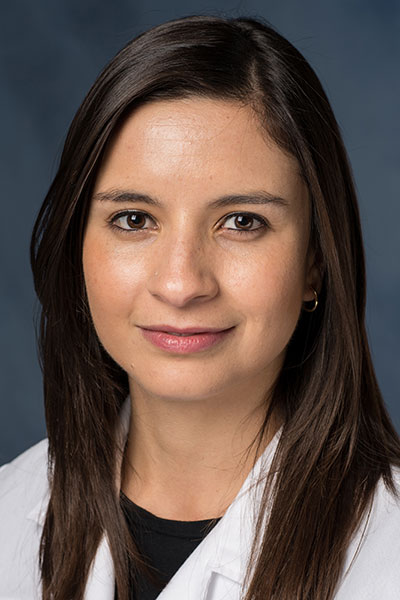
“The second topic, cystic fibrosis [CF], will be very interesting because there have been numerous advances, including the impact of CFTR modulators on patient outcomes and changes to the CF care model as a consequence,” Dr. Leon Astudillo said. “Thanks to our excellent speaker, we will also cover emerging therapeutics, including gene therapy, which is relevant to patients with CF, but these advances are becoming incredibly important in the care of individuals with other monogenic conditions.”
Monday’s Pediatric Core Curriculum session will open with a thorough overview of primary ciliary dyskinesia (PCD). “This presentation will cover updates on the diagnostic workup and treatment of patients with PCD and relevant information from the updated ERS and ATS PCD guidelines from 2025,” Dr. Leon Astudillo said.
The second lecture will provide a detailed look at the evaluation and management of patients with bronchiectasis from an aerodigestive perspective and highlight the importance of multidisciplinary care and collaboration with other subspecialties, including ear, nose, and throat specialists and speech pathologists.
“Aerodigestive, the melding of different subspecialties that come together to diagnose and treat common problems, is always a hot topic because it combines diagnostic modalities and teamwork,” Dr. Prero said. “Attendees want to learn what makes a good aerodigestive program and how a team works together to expedite diagnosis and treatment. The lecture aims to demystify this multidisciplinary approach as it pertains to bronchiectasis.”
The Pediatric Clinical Core Curriculum series will wrap with its final session from 9:30–10:30 a.m. ET on Wednesday, May 20.
Extend Your ATS 2026 Experience with ATS NOW
ATS NOW offers conference highlights, peer-reviewed sessions, and access to leading experts in pulmonary, critical care, and sleep medicine. ATS 2026 attendees receive complimentary access to the platform through the rest of the calendar year!