



The Pediatric Clinical Core Curriculum at the ATS 2026 International Conference will host its third and final session at 9:30 a.m. on Wednesday, May 20, in the Orange County Convention Center, Room W203 (Level II, OCCC West Concourse), concluding the series’ deep dive on emerging data and current guidelines on bronchiectasis diagnosis and management in pediatric patients.

Leading off day three will be a discussion of systemic diseases that can lead to non-cystic fibrosis (CF) bronchiectasis, particularly immunologic or rheumatologic conditions.
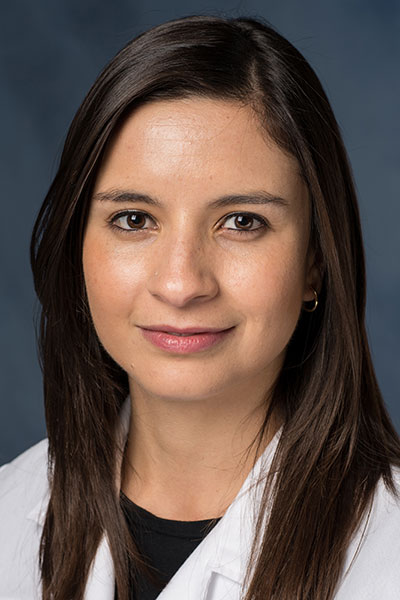
“The goal is to provide the general pulmonologist with guidance regarding how to approach a patient who could potentially have an immunological or rheumatologic disorder that could result in bronchiectasis, as well as important management considerations for patients with these conditions,” according to Carmen Leon Astudillo, MD, clinical associate professor at the University of Florida and co-chair of the pediatric curriculum.
The closing day’s final presentation will “push the envelope a little bit in terms of presenting newer diagnostic tools, especially to diagnose causative bacteria and viruses in airway disease,” said Moshe Prero, MD, associate professor at UH Rainbow Babies & Children’s Hospital in Cleveland, and co-chair of this year’s pediatric curriculum. “I think that’s going to be exciting for people to hear. This will be a very timely discussion about what’s new and what’s coming down the pipeline in that area.”
“New molecular and novel diagnostic testing for bronchiectasis-associated microorganisms is increasingly relevant not only for managing patients with bronchiectasis, but also for patients with other infectious diseases pulmonologists manage,” Dr. Leon Astudillo noted. This session will also cover the clinical practice guidelines for the treatment of nontuberculous mycobacteria in patients with cystic fibrosis [CF] and non-CF bronchiectasis.
Finally, the session will feature a hot topic in pulmonology: bacteriophage therapies. “It’s important that general pulmonologists be aware of their applications, availability, and the impact of patients receiving this novel approach,” Dr. Leon Astudillo said.
In summing up this year’s Pediatric Clinical Core Curriculum series, Dr. Prero said there are multiple areas in pediatric pulmonology where progress is evident in recent years, so it’s important to keep members up to date. “I think the point is to provide information to people who are coming to the conference at various levels of training, from trainees and new attendings to leaders of the field. They are all sitting in the same room, and we want them each to walk away with valuable insights.”
Extend Your ATS 2026 Experience with ATS NOW
ATS NOW offers conference highlights, peer-reviewed sessions, and access to leading experts in pulmonary, critical care, and sleep medicine. ATS 2026 attendees receive complimentary access to the platform through the rest of the calendar year!