



Recent reports show that chronic obstructive pulmonary disease (COPD) was the fifth leading cause of death in the United States in 2023, with 141,733 deaths related to the disease during that year. Additionally, COPD incurs annual medical costs of approximately $24 billion for adults aged 45 and older.
The ATS 2026 International Conference is a unique opportunity for research and clinical teams to collaborate and collectively discuss the most prevalent issues in pulmonary, critical care, and sleep medicine, including COPD. Participants in Orlando can attend an extensive range of symposia, abstract presentations, and discussions on the latest data and clinical guidelines to improve care.
One particularly prevalent area is the ongoing transition to more precise, tailored therapeutic models for patients with COPD, along with novel treatment approaches informed by these insights.
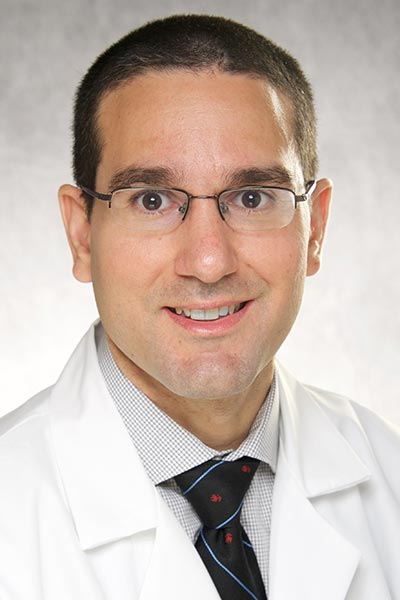
“Like in many areas of medicine, we have become more focused on individualized treatments by identifying treatable traits based on phenotyping,” explained Spyridon Fortis, MD, PhD, MSc, clinical professor of internal medicine–pulmonary, critical care, and occupational medicine at the University of Iowa Carver College of Medicine. “In the pipeline, a lot of organizations are looking for solutions that can attack more than one inflammatory pathway, which will hopefully lead to more treatment options available for COPD.”
For those interested in learning more about phenotyping and precision medicine modeling, the Monday, May 18, abstract session, “Precision Medicine for COPD: Charting the Course for Novel Treatments and Clinical Success,” from 9:15–11:15 a.m. ET, in room MS04 of the Orange County Convention Center, will feature 10 quick-hitting presentations with timely clinical insights.
Later that afternoon, from noon – 1 p.m. ET (room number to be determined), the mid-day symposium, “New Results from the Subpopulations and Intermediate Outcomes in COPD Study (SPIROMICS) Family of Studies,” will discuss recent results from three related clinical studies. SPIROMICS is a clinical observation study designed to identify subpopulations of individuals with COPD and define endotypes responsive to mechanism-specific interventions to treat this heterogeneous disease. SPIROMICS has launched a family of studies that will also be highlighted during the session, including SOURCE, a cohort designed to investigate the origins of COPD, and SPIROMICS Heart Failure, which is collecting cardiovascular measures in a subset of the SPIROMICS cohort.
Similarly, on Wednesday, May 20, from noon – 1 p.m. ET (room number to be determined), “Understanding COPD Progression and Heterogeneity” is another mid-day symposium offering insights into COPD pathology drawn from a long-running study. The COPDGene study has created the largest longitudinal cohort of well-characterized current and former smokers for respiratory disease research, with over 15 years of data. This session will describe how COPDGene has contributed to a molecular understanding of COPD progression and examine different approaches to identifying COPD phenotypes.
Dr. Fortis also highlighted the importance of early detection by leveraging imaging techniques that could soon be enhanced with artificial intelligence (AI) for predictive modeling. He explained that while there’s still work to be done in bridging real-world gaps, such as accessibility and cost feasibility of certain imaging modalities like CT scans, this could lead to more proactive diagnoses.
“Imaging is not easy to incorporate into the primary care setting, but maybe the AI will help with that,” Dr. Fortis said. “For example, a person with a history of smoking might participate in a lung cancer screening in primary care, without a COPD diagnosis from a pulmonologist. This individual might get a CT scan there, but then maybe the AI will help us to also identify that the patient is at-risk to develop COPD.”
On Tuesday, May 19, from 9:15 – 10:45 a.m. ET in room SYMP7, the scientific symposium, “Seeing the Difference: Using Imaging to Define COPD Subgroups,” will explore how advanced imaging techniques are informing our collective understanding of COPD heterogeneity. The session will highlight insights from large cohorts, discuss how imaging biomarkers can guide personalized therapy, and analyze the future role of imaging in precision medicine for COPD.
“Contentious Topics in COPD Care: A Pro/Con Debate,” also on Tuesday from 9:15 – 10:45 a.m. ET, in room CT2, is another unique scientific symposium presenting varied perspectives on contentious topics in COPD care, such as exacerbation risk, treatment, and cardiovascular disease.
For the full listings of COPD-related educational sessions, scientific symposia, Meet the Expert sessions, and abstract presentations at ATS 2026 Orlando, visit ATSConference365.
Don’t Miss the ATS 2026 International Conference

Register today for the ATS 2026 International Conference to experience this year’s premier respiratory health conference, May 15-20 in Orlando. Join your colleagues to learn about the latest developments in pulmonary, critical care, and sleep medicine.
Not an ATS member? Join today and save on your conference registration!